
Honours boards at golf clubs around the world, normally unconnected other than perhaps containing the occasional and coincidental duplication of surnames, will all be bonded come the end of the year. Alongside some 2020 competitions will be an asterisk with an accompanying explanation that the events were not held because of COVID.
Even the greatest championship of them all, The Open, has succumbed to the effects of the pandemic with The R&A – who in tandem with the USGA govern the sport worldwide – postponing the 149th staging, at Royal St George’s, in Kent, for 12 months.
Since it is The R&A’s only revenue stream it is currently waiting for formal confirmation of the exact financial impact the decision will have as negotiations continue with its insurers.
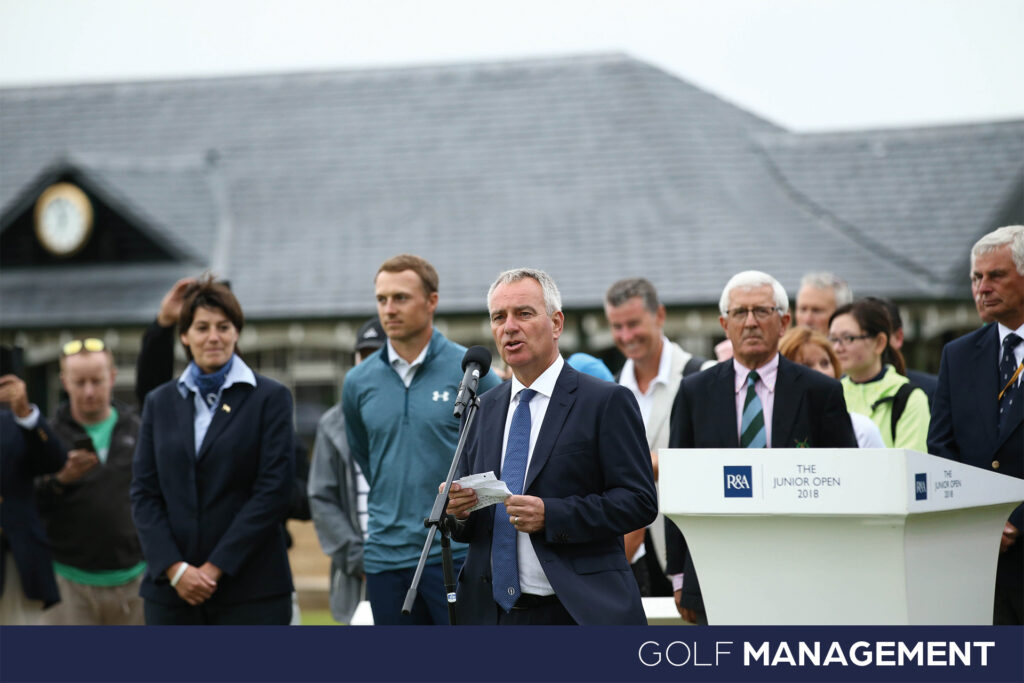
However, Duncan Weir, the executive director of golf development and amateur championships for The R&A, insisted: “What we will do – with or without an Open championship, and sadly this year it’s going to be without – is all going to be aimed at ensuring golf is thriving in 50 years’ time, and the coronavirus has not changed that ambition.
“I’ve not been involved in the nitty gritty [with the insurers], but as you can imagine with cancelling any major event insurance terms play a major part of that, and The Open is no different. The point I would make is that The Open is The R&A’s only source of income so not only are we dependent on it, but much of golf in GB&I is dependent on it.
“Golf beyond GB&I benefits from it, too, so The Open plays a very important part in not just entertaining people and finding the Champion Golfer of the Year, but raising money which allows The R&A to fulfil what we consider to be our obligation.”
Golf clubs are facing their own financial uncertainties due to social lockdowns around the globe, which have not only removed all income directly connected to the playing of the game, but also subsidiary revenue gained from staging events, for example, such as weddings, parties and business meetings.
Weir explained that The R&A, which already provides extensive and regular support, will examine ways of increasing its commitments because of the extraordinary circumstances in which the world finds itself, and will do so through its normal lines of communication, not directly with clubs.
“We already support golf very heavily here in GB&I,” he said, “with the Golf Foundation, for example – who do a tremendous job bringing young men and women into golf, through the schools programme and the like –it is the beneficiary of the biggest single annual grant we make, that’s £500,000 a year.
“There’s the PGA at The Belfry, £200,000 a year; the European Tour £200,000 a year; the Challenge Tour £120,000; we are supporting the LPGA and the LET and the Access Series with a joint venture this year.
“That work will go on, even through this pandemic, and all these grants have been made for year 2020 so there is still a lot of good work going on, and will go on certainly in the second half of this year. Those grants will be paid, and many of them have already been paid.
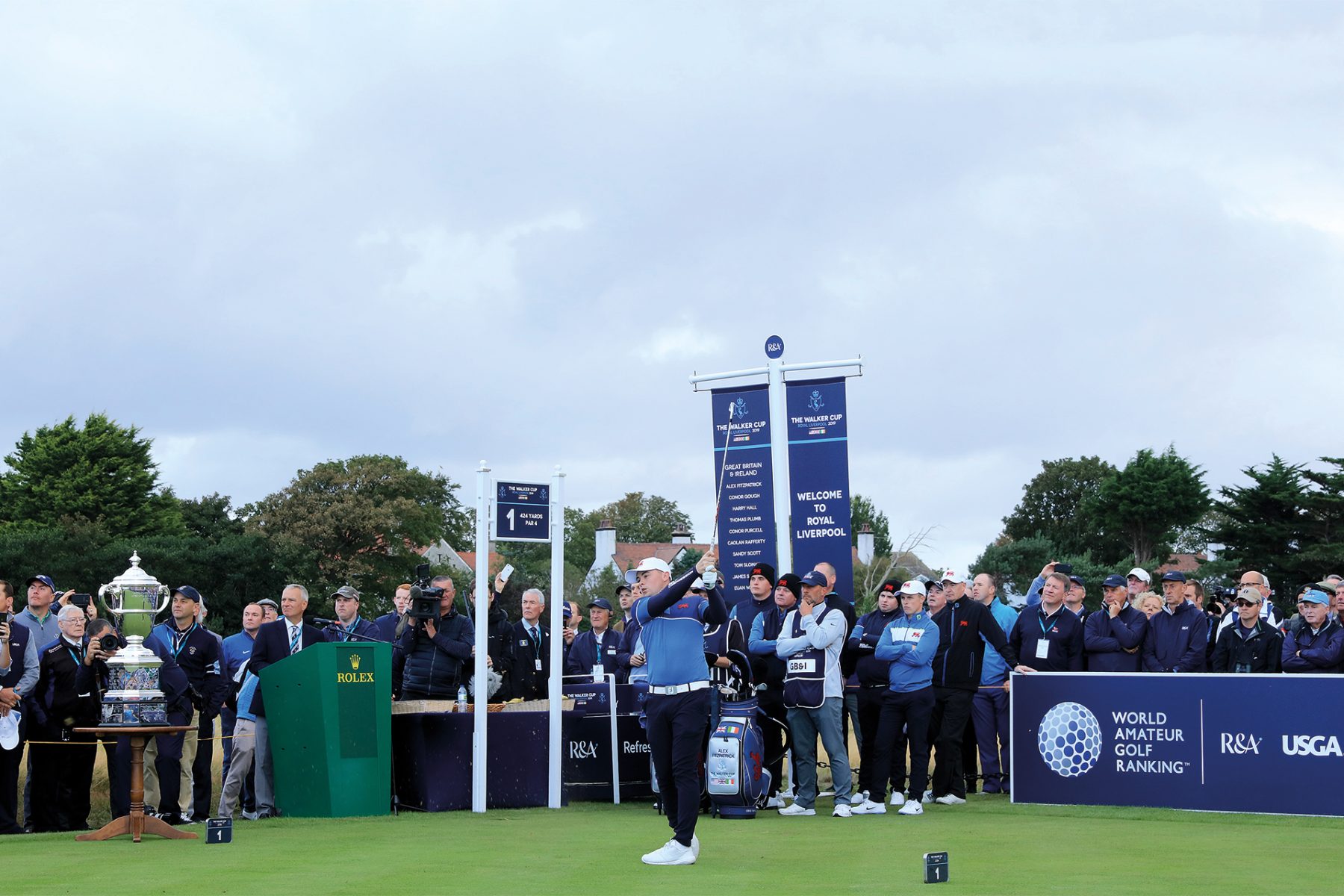
“Our structure is such that it is national bodies which are affiliated to us, so in [the case of the interviewer] it would be England Golf and then to England Golf it would be the Yorkshire Union of Golf Clubs and then affiliated to the union would be the golf clubs; Moortown, Alwoodley, Fulford or whoever it would be.
“We don’t offer funding directly to golf clubs, but we do offer funding through the national bodies. So, we support England Golf very heavily every year, for instance. I think our support this year might be in the region of £170,000, and we support many countries around the world, and would regularly support around 100 countries financially annually, all of which would be affiliated to The R&A.
“Our structure is such that the main contact in the development side is mainly through the national organisations as opposed to through the regions, provinces or clubs all over the world.”
With regard to offering supplementary assistance, he added: “We have been in dialogue with [England Golf] and with others, not just here in GB&I but elsewhere, and we are working at the moment on putting together some kind of a package which will allow us, hopefully, to support some of those associations once our own finances are clear.
“We’re still working through the details of our insurance claim on the cancellation of The Open, but if they come out as we hope they will, we would expect to be in a position to say something about hopefully offering additional funding to golf, but it will channelled through our affiliates. We would never bypass England Golf, for example, to go and support an individual club, that’s not our role.”
Some disgruntlement has been aired through social media by a minority of members of private clubs who feel they are not getting value for money from their annual subscription because of enforced course closures, but Weir feels this “could be a Lord Kitchener moment for golf. We should not be asking, ‘what can my club do for me, but what can I do for my club?’”
“Being able to resume playing golf just when the weather’s improving, when the courses which haven’t seen any play in weeks, months, will be in great condition, there’s every chance, in Britain and Ireland, that people will be able to have a reasonable chunk of the golf season out of whatever subscription they might have paid for this year. I would hope that people will stand by their golf club in difficult times.”
Weir believes excellent course conditions is a huge positive players will have discovered when play resumed in mid-May. “Greenkeeping staff have not had play to contend with, they’ve had a very good spell of weather and they’ve had a chance to do things on the golf course that they might have had difficulty doing in a normal spring time,” he said.
“From what I’ve heard and from speaking with Jim Croxton [CEO of BIGGA], and Steve Isaac [Director – Sustainability, The R&A], who works closely with Jim, most golf clubs have been able to give the golf course some attention even if it’s only been one full-time greenkeeper, and so my overall impression is actually pretty positive, and I would include in that the public golf courses.”
While denial of a regular diet of golf during lockdown was aggravating to thousands, Weir concluded: “While we’re frustrated, we’ve got to take half a step back here and just look at the wider world, in terms of what’s happening, with people potentially losing their lives, losing their jobs. I think the whole thing places golf in some kind of a context.
“The world is just on pause and we’re going to have to be patient. We’ll reflect on this one day and maybe just appreciate it all the more. I’m sure we’ll all play more, and hopefully play a bit better, and golf’s got a big part to play in society’s recovery, because of the mental and physical health benefits that playing golf can offer.”