
The Spring 2026 edition of Golf Management features interviews with Tristan Freslon at Anahita Golf; Eamonn O’Donnell at Dromoland Castle; Joaquím Mora Bertrán at INFINITUM; Ryan O’Connor at Woodsome Hall; and Michael Walker at SYNLawn.
Plus, a destination report from Somabay Golf in Egypt; and on the front cover… INFINICUT Enters New Era With Re-Invigorated Leadership.
According to the UK Met Office – the national meteorological service – this winter was the wettest on record for parts of the country.
And it wasn’t alone. I spend my winters in Spain so I can continue to enjoy – and work in – golf, and we’ve had the worst winter for 40-odd years, with low temperatures, high winds, a succession of storms, and more rain than you can shake a reservoir at.
Whichever side of the climate change debate one stands, it can’t be denied that too much rain and golf are not healthy bedfellows. Even my UK home course, on the Suffolk coast – a free-draining links course – has been closed or on temporary greens; an unusual occurrence.
And, of course, it was not alone. Many courses were partially underwater – or worse – for part of the winter, right across the UK. I was surprised then to stumble across one discussion on LinkedIn about when courses should close.
It was inaugurated by a keen golfer who had played the four-time Ryder Cup course, the Brabazon, at The Belfry, in the West Midlands – one of the regions that experienced its wettest winter since comparable records started in 1836.
He posted an image of the waterlogged course he’d just played, and while he’d enjoyed the company of his playing partner, he said: “I’m not sure the Brabazon should have been open. Appreciate the hard work that has gone into keeping it open but fear the amount of time they will need to put in to repair damage, not an easy decision for them when trying to please everyone.”
What shocked me most, however, was the number of seasoned industry professionals who opined that keeping the course open was the right thing to do, as the hotel guests were expecting to play and that the revenue was essential moving forward.
The Brabazon has a unique history; it’s a premium product. People travel from around the world to play on it because it’s linked inextricably with the Ryder Cup – the biggest team event in world golf. What will they think if they turn up and see it in that condition?
Surely, as an elite golf course – not to mention a worldclass.golf destination – it should be closed and reopened only when it is in a fit condition to be played, and experienced properly.
Yes, golf allows for preferred lies under certain conditions and golfers can choose to wear waterproof clothing, but there were a number of very negative comments from golfers on the thread saying how they played the course recently in a bad condition and won’t be returning.
That word of mouth is not good for the reputation of The Belfry or any other venue that receives such comments. This isn’t a municipal course. This is an aspirational, world-class venue.
Surely, it’s far better to disappoint a small number of golfers by explaining the course can not be presented how we would like – and is, therefore, closed owing to standing water – rather than take their money and let them wade through the mud. Given the winter we’ve had, it would be churlish to take issue with the decision.
Imagine attending a top restaurant when they are unable to prepare their usual high-quality cuisine because the gas has been temporarily cut off. Would you be happy with a microwaved meal? It’s still food, but not to the quality you would expect of such a venue. Restaurants, indeed, do close in such circumstances, usually with a very apologetic notice.
Failing to close a course in those conditions is not prioritising the golfer and the visitor experience. It merely indicates it’s profit first, customer second.
One poster summed it up for me when he said: “Commercial gains overriding golf’s best interests again, sadly…”
And nobody wants to read that about their golf venue.

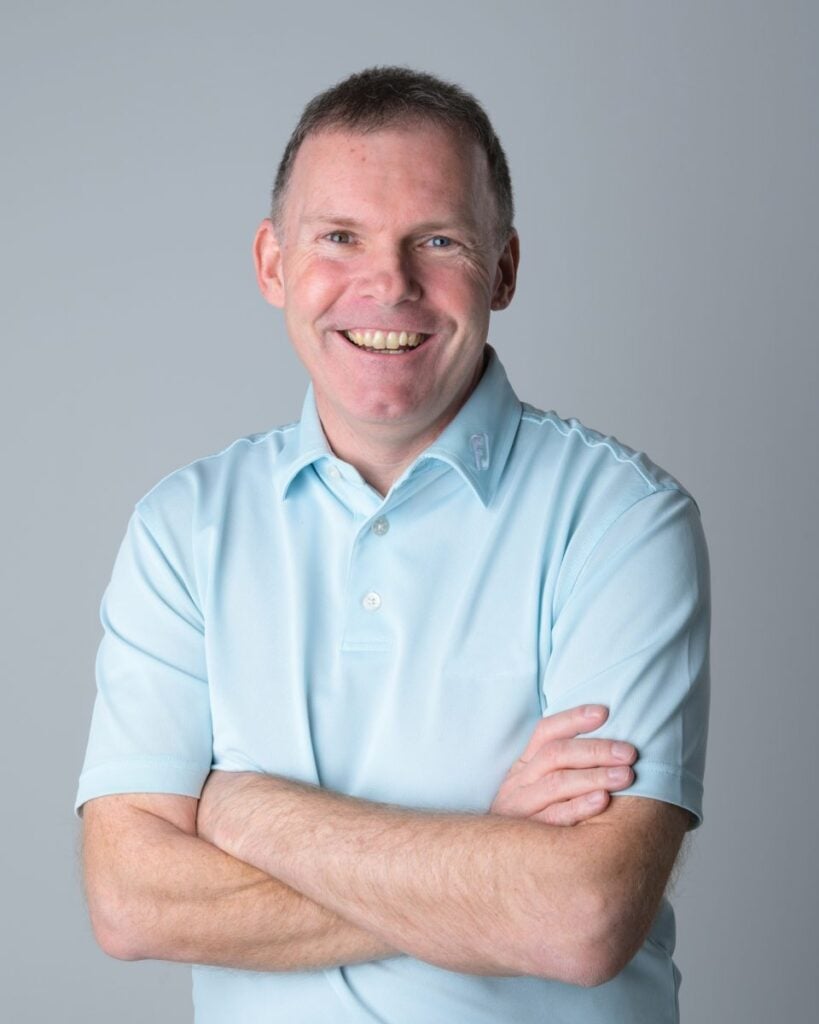
The idea of a business magazine for the golf industry, first came to founder – and publisher – Michael Lenihan when he visited La Manga Club in 1996. With a publishing background, and having just sold the rights to Football Management – a B2B magazine he launched in 1993 – he stumbled across a copy of Golf Enterprise Europe. And the rest, as they say, is history.
A year later, to coincide with the Ryder Cup at Valderrama in September 1997, the first edition of Golf Management Europe was published, and in 2020 – to reflect the growing global reach of the magazine – the word ’Europe’ was removed from the title.
An all too often frustrated golfer, Michael has interviewed some of the best operators in world golf, and has had the privilege to visit, and play, some worldclass golf courses. He divides his time between the UK and Spain, and has membership at Felixstowe Ferry Golf Club in Suffolk.

United Kingdom
A one-year subscription (four issues) to the printed edition of Golf Management delivered to a single UK address.
We accept payment via debit card, Apple Pay, Google Pay and credit card including American Express, MasterCard and Visa.

International
A one-year subscription (four issues) to the printed edition of Golf Management delivered to a single International address.
We accept payment via debit card, Apple Pay, Google Pay and credit card including American Express, MasterCard and Visa.
Sign up to regular news updates, partner offers, and to be notified when the quarterly magazine is published.